
As more homeowners look to expand usable living space without committing to a full home addition, sunrooms are quickly becoming one of the most requested upgrades across Florida. From relaxed morning retreats to functional home offices, these light-filled spaces offer a seamless blend of indoor comfort and outdoor ambiance.
But one question continues to come up during the planning phase: should you choose a three-season or four-season sunroom?
Lifestyle Remodeling, a Florida-based contractor specializing in custom enclosures, says the answer comes down to how you plan to use the space and what level of comfort you expect throughout the year.
Understanding the Core Difference
At first glance, three-season and four-season sunrooms appear nearly identical. Both feature expansive glass walls, natural light, and a connection to the outdoors. The real difference lies in how they are built and how often they can be used.
A three-season sunroom is designed for use during milder months. These rooms typically lack insulation and dedicated heating or cooling systems, making them ideal for spring, summer, and fall conditions.
By contrast, a four-season sunroom is constructed as a true extension of the home. With insulated walls, advanced window systems, and integrated climate control, it can be used comfortably year-round.
Why Florida Homeowners Lean Toward Flexibility
In a climate like Florida, three-season rooms can still see significant use. Mild winters allow homeowners to enjoy the space for much of the year, making it an appealing and cost-effective option.
However, the intense summer heat and humidity often limit comfort without proper cooling solutions. That is where four-season designs stand apart.
A fully insulated and climate-controlled space provides consistent usability regardless of temperature swings. According to industry data, these rooms function more like traditional living areas, supporting activities like dining, entertaining, or even working from home.
Cost vs. Long-Term Value
Budget is often a deciding factor.
Three-season sunrooms generally come with a lower upfront investment due to simpler construction and fewer materials. They can be installed more quickly and still enhance a home’s appeal.
Four-season sunrooms, on the other hand, require a higher initial investment because of insulation, HVAC integration, and structural requirements. However, they also tend to deliver greater long-term value by increasing livable square footage and overall property appeal.
Lifestyle Remodeling notes that homeowners who prioritize daily use and long-term functionality often find the investment worthwhile.
Design Considerations That Matter
When deciding between the two options, several factors should guide your choice:
- Usage goals: Occasional relaxation versus everyday living space
- Climate control needs: Comfort during peak summer heat
- Home integration: Whether the space should feel like a true room addition
- Energy efficiency: Insulation and window performance
Modern four-season designs also include features like thermal break framing, UV-resistant glass, and integrated electrical systems, helping maintain comfort while reducing energy loss.
Making the Right Choice
Ultimately, the decision comes down to lifestyle.
If you want a casual, budget-friendly space to enjoy pleasant weather, a three-season sunroom may be the right fit. But if you’re looking to create a fully functional extension of your home that can be used every day of the year, a four season room offers unmatched versatility and comfort.
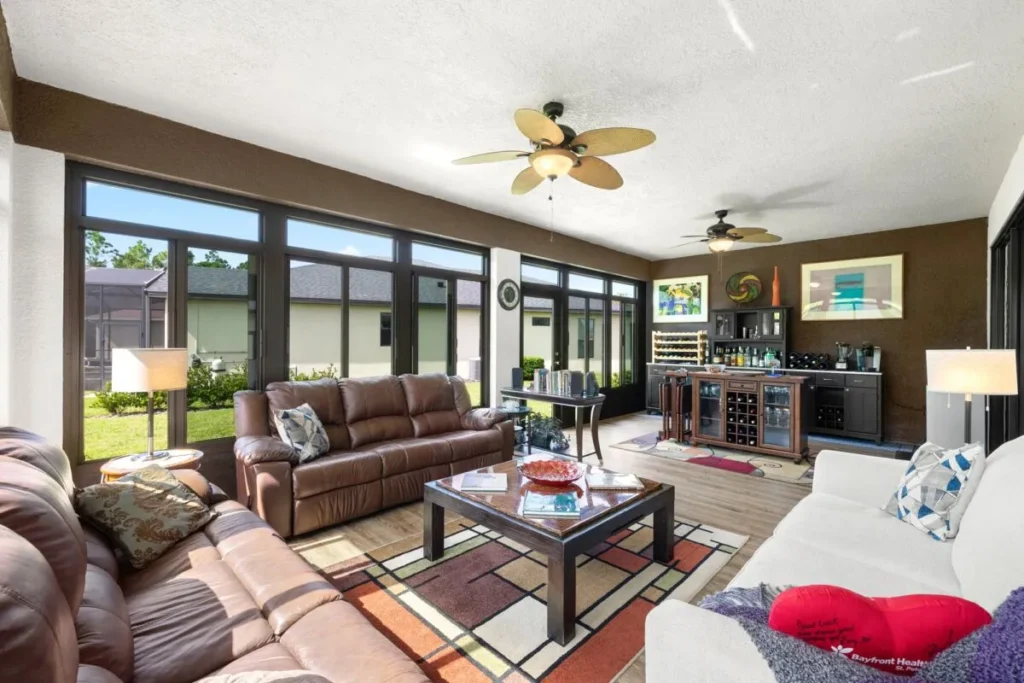
As demand for flexible living spaces continues to grow, sunrooms remain a practical and attractive solution for homeowners looking to enhance both their lifestyle and property value.