
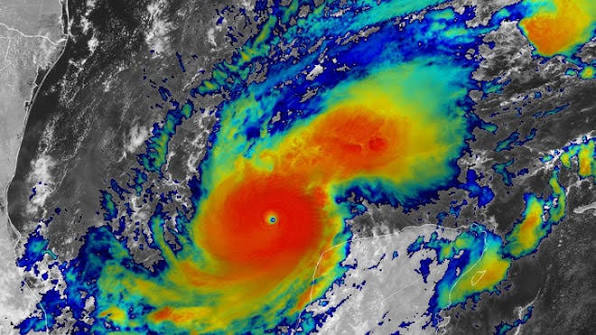
Florida’s hurricane season runs from June through November, and every year, emergency management officials repeat the same advice: prepare before a storm is named, not after. Despite that consistent message, many households still scramble in the final days before landfall, when store shelves empty and gas lines grow.
Start with your evacuation zone, not your supply list
Before stocking a single bottle of water, Florida residents should know their county’s evacuation zone, which determines whether and when they may be ordered to leave. Evacuation zones are based on storm surge risk, not just proximity to the coast, and can extend farther inland than many residents assume. Every coastal and near-coastal county publishes zone maps, typically searchable by address through the county’s emergency management website.
Build a plan around your specific household, not a generic checklist
A hurricane plan should account for the details generic checklists miss: medications that need refrigeration, mobility limitations that affect evacuation timing, pets that need carriers and vaccination records, and children who may need reassurance and a simplified version of the plan. Households with elderly family members or those requiring in-home medical equipment should register with their county’s special needs shelter program well before hurricane season begins, since registration windows and requirements vary by county.
Understand the difference between a watch and a warning
A hurricane watch means hurricane conditions are possible within the area, typically issued 48 hours ahead of anticipated impact. A warning means hurricane conditions are expected, typically issued 36 hours out. Many residents wait for a warning to begin preparations, but by that point, supplies are often scarce and evacuation routes more congested — the watch stage is the more useful trigger for action.
Documents and insurance matter as much as supplies
Homeowners should photograph the interior and exterior of their property before hurricane season each year and store copies of insurance policies, identification, and property deeds in a waterproof container or a secure cloud folder accessible from a phone. This step is frequently overlooked until after a storm, when it becomes far more difficult to reconstruct.
After the storm passes
Returning home safely matters as much as evacuating safely. Downed power lines, standing water hiding structural damage, and carbon monoxide risk from improperly used generators are among the most common post-storm dangers. Residents should wait for official all-clear notices from local authorities before returning to evacuated areas, even when a storm appears to have passed.