
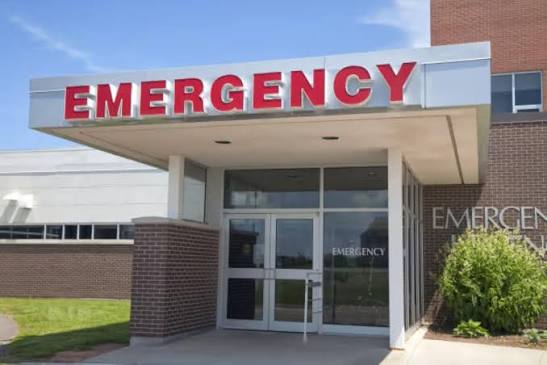
While Florida’s major metro areas boast some of the state’s most advanced medical centers, residents in the state’s rural counties are increasingly confronting a different reality: fewer hospitals, longer drives for specialist care, and growing pressure on the emergency rooms that remain.
A statewide trend with rural counties bearing the brunt
Several rural hospitals across Florida have closed or significantly scaled back services in recent years, citing financial pressures including low reimbursement rates, staffing shortages, and the high cost of maintaining emergency and obstetric services for smaller patient populations. When a rural hospital closes its labor and delivery unit — a increasingly common cost-cutting step — expectant mothers in that county may face drives of 45 minutes or more to the nearest maternity ward.
The specialist shortage compounds the problem
Beyond hospital closures, rural Florida counties report a persistent shortage of specialists in fields like cardiology, oncology, and psychiatry. Patients in these areas often wait weeks longer for specialist appointments than their counterparts in Miami, Orlando, or Tampa, and many must travel significant distances even after securing an appointment.
Telehealth is helping, but only partially
Expanded telehealth access, accelerated during the pandemic and since made more permanent through state and federal policy changes, has helped bridge some of the gap, particularly for mental health and routine follow-up care. However, telehealth cannot replace in-person emergency care, surgery, or diagnostic imaging, leaving a persistent gap for the most serious health needs.
What state and local officials are doing
Florida has expanded loan repayment and scholarship programs aimed at encouraging medical professionals to practice in underserved rural areas, alongside grant programs supporting rural hospital infrastructure. Some rural counties have also partnered with mobile health clinics and regional health systems to bring periodic specialist care closer to home, though these programs remain limited in scope compared to the scale of the gap.
What residents in affected areas can do
Residents in rural counties should identify their nearest full-service emergency room and specialist network before a health crisis occurs, not during one. Community health centers, which operate on a sliding fee scale and often serve as a first point of contact for primary and preventive care, remain an underused resource in many of these areas and can help residents access care without the wait times associated with specialist referrals.