
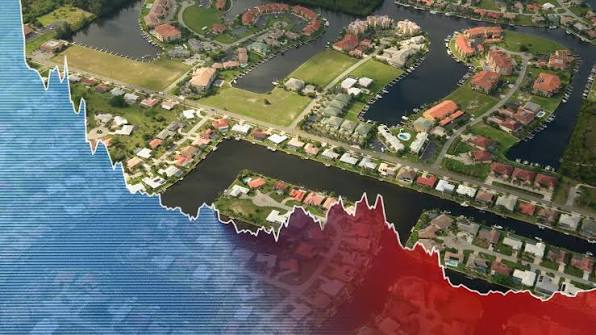
Florida’s reputation as a low-tax, affordable state to live in has grown more complicated in recent years. While the absence of a state income tax remains a genuine financial advantage, rising housing costs, insurance premiums, and everyday expenses have made the overall cost of living considerably more county-dependent than the state’s broad reputation suggests.
Housing costs are the biggest variable
The gap between Florida’s most and least expensive counties has widened substantially. Coastal counties in South Florida and along the Gulf Coast have seen home prices and rents climb well beyond what many long-time residents can afford, while inland and panhandle counties remain comparatively affordable, drawing both new residents and businesses priced out of the coasts.
Insurance costs add a second layer few outsiders anticipate
Homeowners moving to Florida from out of state are frequently caught off guard by property insurance costs, which vary significantly by county based on storm and flood risk. A home in an inland county with lower storm surge exposure can carry an insurance premium a fraction of the cost of a comparable home on the coast, a difference that can meaningfully affect overall affordability calculations that focus only on purchase price.
Everyday costs vary more than people expect, too
Beyond housing and insurance, day-to-day costs like groceries, utilities, and healthcare also vary by region, generally tracking with local housing costs but not always proportionally. Some inland counties offer housing savings that are partially offset by longer commutes and higher transportation costs, particularly in areas with limited public transit.
Property taxes remain relatively favorable overall
Florida’s property tax structure, including homestead exemptions and assessment caps for long-term homeowners, continues to offer meaningful savings compared to many other states, though new residents without homestead protections often face a larger initial tax bill than the county’s long-term residents, a distinction that surprises many people relocating to the state.
What this means for anyone considering a move within or into Florida
Anyone evaluating a move to or within Florida should look beyond median home price data and factor in county-specific insurance quotes, property tax history, and realistic commute times before assuming a lower sticker price on a home translates to genuinely lower overall living costs. The counties offering the best overall value increasingly aren’t the cheapest on paper, but the ones where housing, insurance, and commute costs are all reasonably balanced.