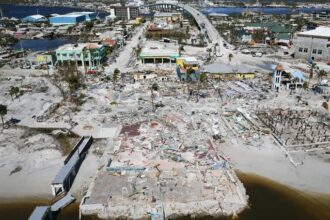
Florida’s condominium market is adjusting to a new financial reality shaped by state laws passed in the aftermath of the 2021 Surfside building collapse. Requirements for structural inspections and fully funded reserve accounts are now landing on condo associations statewide, and the financial impact is reshaping buying and selling decisions across the state.
What the new laws actually require
Condo buildings of a certain age and height must now undergo milestone structural inspections, and associations are required to maintain fully funded reserves for major structural components rather than deferring those costs indefinitely, as many previously did. For older buildings that had underfunded reserves for years, this has meant sudden, large special assessments landing on unit owners.
Why some owners are being priced out
Special assessments in the tens of thousands of dollars have become increasingly common in older coastal buildings, particularly those built decades ago with minimal reserve planning. For owners on fixed incomes, particularly retirees who make up a significant share of Florida’s condo-owning population, these assessments have forced difficult decisions about whether to sell.
How this is affecting the resale market
Real estate agents across South Florida and the Gulf Coast report that buyers are now asking detailed questions about reserve fund status and inspection history before making offers — questions that were rarely part of the conversation five years ago. Listings for older buildings with known reserve shortfalls are taking longer to sell and, in some cases, seeing price reductions to offset the anticipated cost of future assessments.
Newer buildings are becoming more attractive by comparison
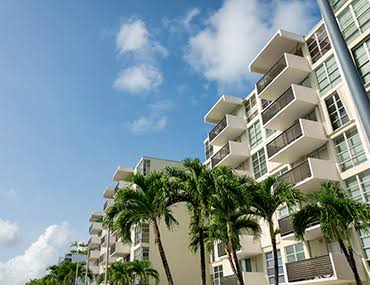
Buyers increasingly favor newer construction that already meets the updated reserve and inspection standards, even at a price premium, over older buildings carrying uncertain future assessment risk. This shift is contributing to a widening price gap between older and newer condo stock in some markets.
What buyers and current owners should do
Buyers should request a building’s most recent milestone inspection report and reserve study before making an offer. Current owners in older buildings should attend association meetings and stay informed about reserve funding status well before a special assessment becomes unavoidable, since early awareness gives owners more options — including selling before an assessment is announced — than waiting until the bill arrives.